City strengthens recycling drive, residents urged to reduce waste
15 April 2026
Cape Town’s recycling efforts are gaining momentum as the City continues to expand programmes and infrastructure aimed at reducing waste to landfill and building a more sustainable, resource-efficient city. Residents are encouraged to play their part by making use of the wide range of recycling initiatives available and adopting simple waste reduction habits at home.
As landfill space becomes increasingly constrained, the City’s Urban Waste Management Directorate is intensifying its focus on waste minimisation through recycling, reuse and composting. These efforts not only help to protect the environment, but also contribute to economic opportunities within the recycling sector.
Recent developments include the launch of the Coastal Park Material Recovery Facility in Muizenberg, a key project that improves the City’s ability to sort and process recyclables at scale. This facility supports the broader goal of extending landfill lifespan, while enabling recyclable materials to re-enter the production cycle.
The City offers several accessible recycling options for residents:
The
Coastal Park Material Recovery Facility is part of the City’s long-term strategy to extend the lifespan of Cape Town’s landfill sites by increasing recycling and enabling manufacturers to buy recyclables back to reduce costs and reduce waste.
Think Twice, the City’s kerbside recycling programme, is available in suburbs across the city. Through this programme, residents are able to separate recyclable household materials, which are collected by a service provider without the fuss or hassle of driving to a Community Recycling Centre (formerly City Drop-off). See if you live in a Think Twice area:
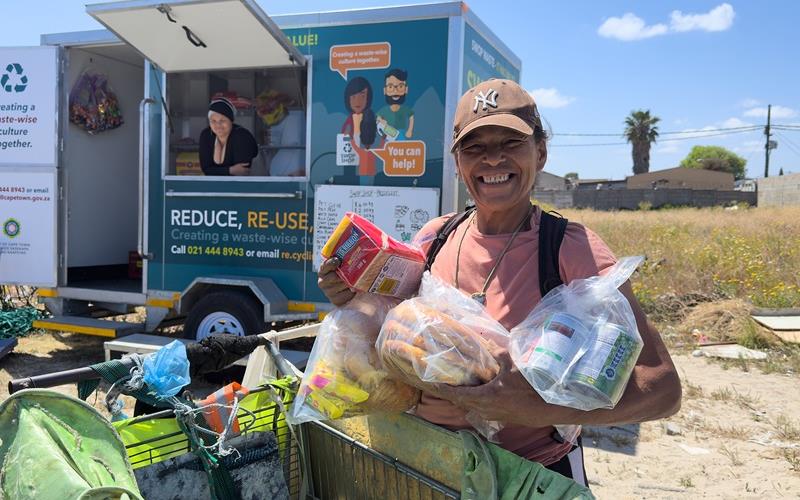
Waste Recycler's MapThe City of Cape Town’s Swop Shop service has brought recycling incentives to hundreds of residents since August 2025, and diverted 164,8 tons of recyclables from landfill, while providing thousands of rands worth of recycling rewards monthly to the various communities it serves. The City is currently constructing additional trailers to expand the service during 2026. See more:
Swop ShopThe City’s Home Composting Programme to reduce organic waste that ends up in landfill, causing harmful carbon emissions. See more:
Start composting at home
Why is recycling and composting important for environmental health:
Prevents waste and plastics from entering rivers, wetlands and marine environments where they can leach harmful chemicals into the environment.
Conserves natural ecosystems by encouraging recycling and reuse instead of raw material extraction.
Lengthens the lifespan of existing landfills and reduces the need for future landfills.
Reduces food waste which creates harmful carbon gas emissions in landfills.
The City’s Mayoral Committee Member for Urban Waste Management, Alderman Grant Twigg, also supports community-led recycling initiatives in various communities across Cape Town.
‘The City continues to run these programmes and facilities, and spearheads these initiatives because waste reduction is critical for our society if we want to live in clean, healthy environments. But we can’t do this without commitment from our residents to take part in the programmes and continued community recycling and clean-up efforts.
‘The only way to safeguard our future planet for the next generations is to reduce waste creation now,’ said Alderman Twigg.
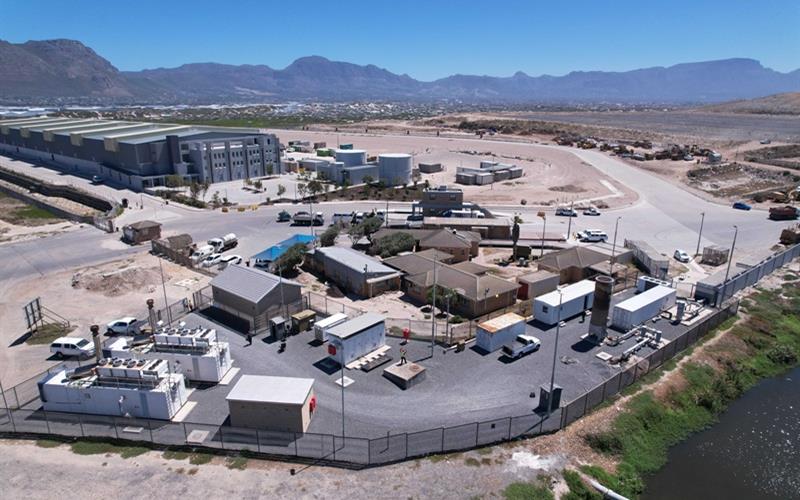
Caption 1: The City’s Coastal Park Landfill gas-to-energy plant turning harmful organic waste emissions into electricity to power 4 000 households.
Caption 2: Ruth Sinclair, a Delft resident, makes use of the Swop Shop where she trades recyclable materials for groceries and household items.
End
Published by:
City of Cape Town, Media Office